Male Fertility

When it comes to conception, male health is just as important as women’s – although it often gets overlooked. Sperm provides 50% of the genetic makeup of a baby, and conception won’t happen unless a healthy, well-shaped sperm can get to and penetrate the egg.
Men must produce between 40 and 300 million sperm cells to be fertile. This is an intensive process and the energy involved in creating these cells in significant. The most common cause of sperm deficiencies are nutrient shortages. Men need different nutrients to help produce healthy sperm.

Sperm Health

The sperm cells that are produced are a product of their environment, so it is crucial to get the reproductive system working as it should. Nutrients are needed to get both the environment right (hormone balance, blood sugar balance, immune system, circulation etc) as well as support the development of the sperm cells. Taking steps for healthy sperm can have an impact on sperm health.
The good news is as new sperm is created every 74-100 days, positive diet and lifestyle changes can impact sperm health in as little as 3 months.

How is Sperm Made?

Sperm production is one of the main functions of the male reproductive system. The scientific term for this process is spermatogenesis, a continual cycle where new sperm cells are constantly being produced and developed within the testes. The good news is as new sperm is created every 74-100 days, positive diet and lifestyle changes can impact sperm health in as little as 3 months.
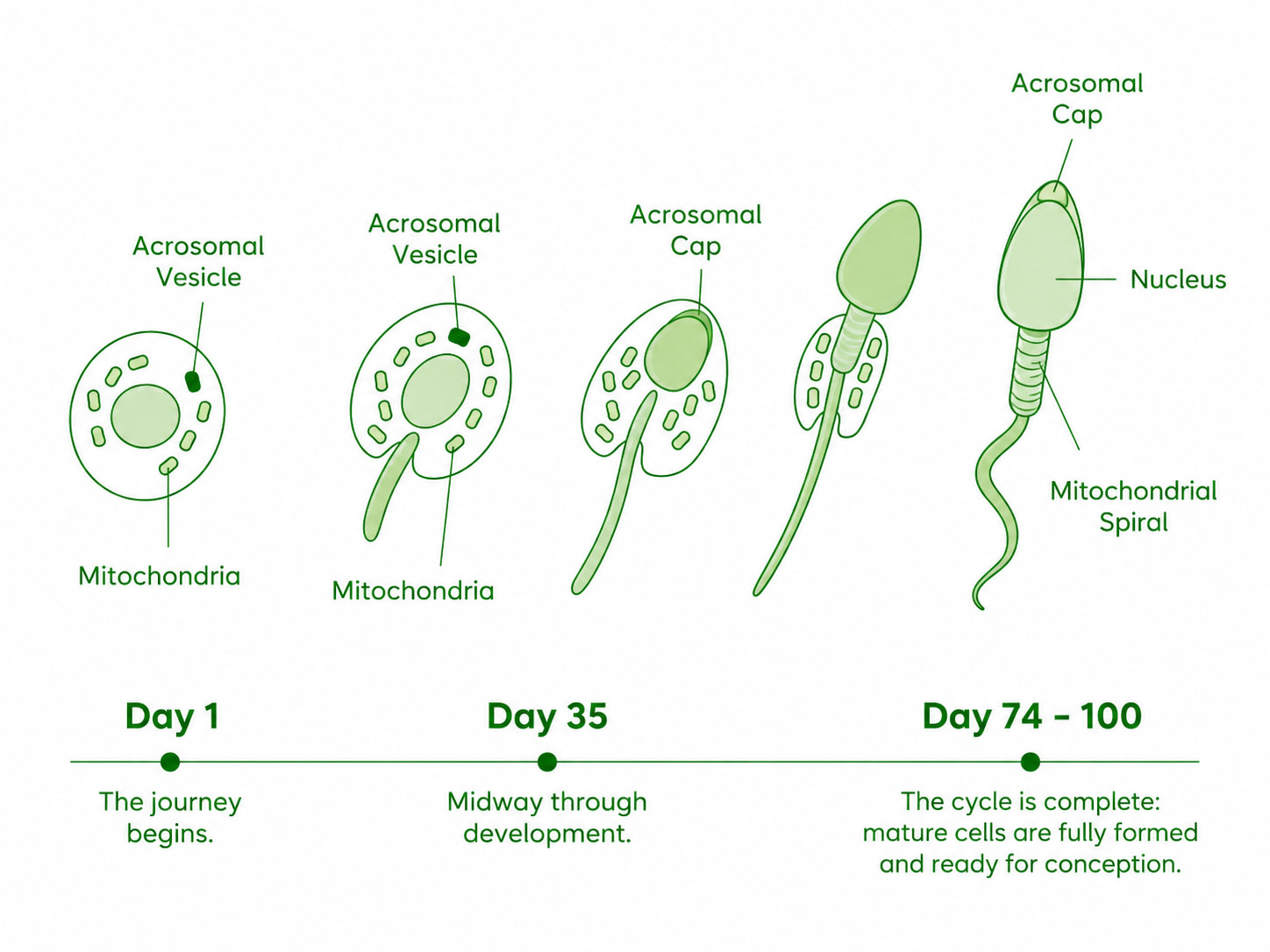
The full process takes approximately 100 days. Around 74 days are needed for sperm cells to develop, followed by a further 20–30 days for the sperm to mature and become ready for release.

By around day 1, sperm production begins deep within the testes. By approximately day 35, developing sperm cells continue to grow and take shape. Between day 74 and day 100, sperm reach full maturity and become ready for release.

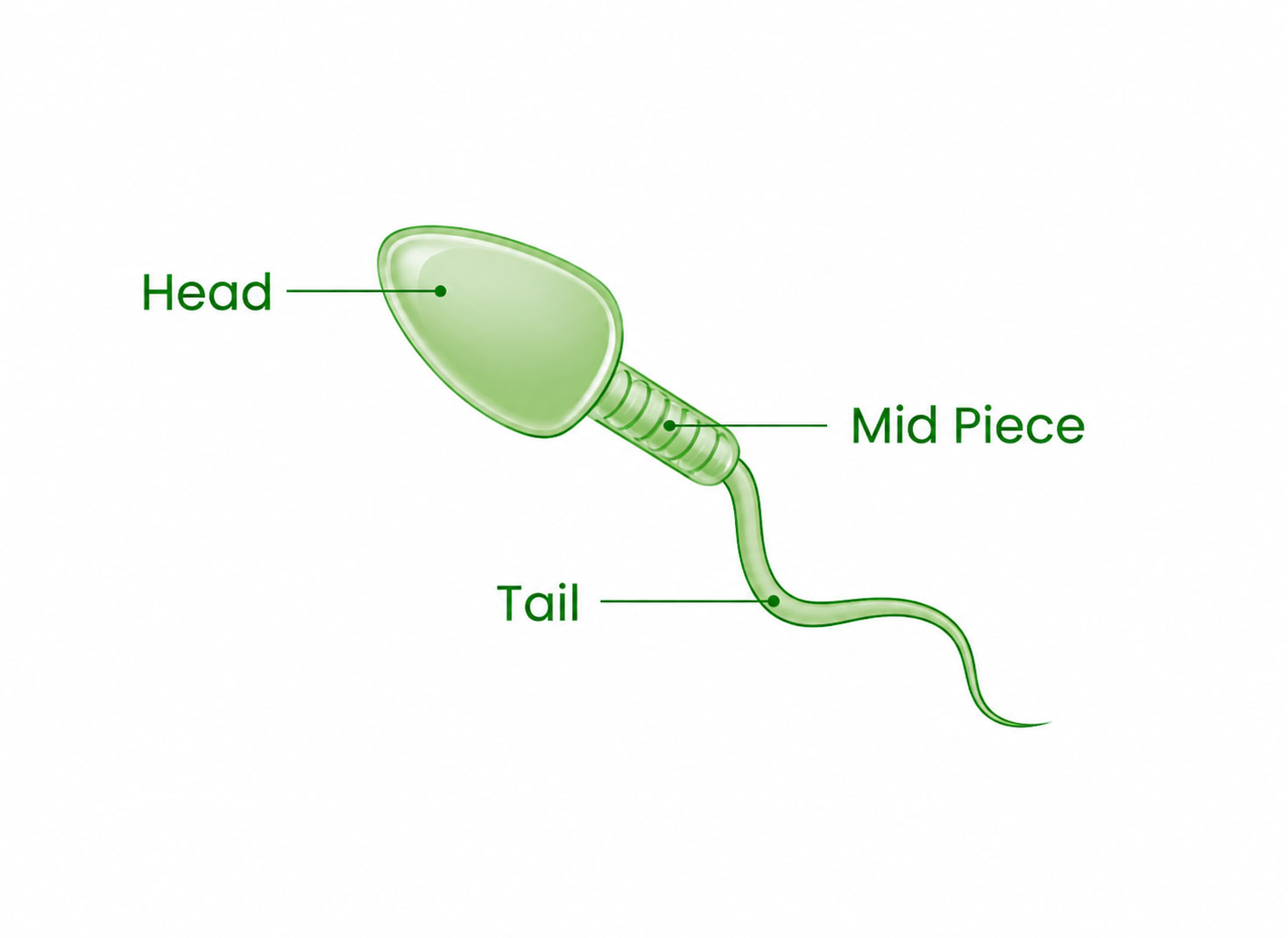
Each sperm cell is specially designed to support movement and fertilisation, with different structures working together to help the sperm reach and fertilise the egg.
Because sperm development takes time, factors such as nutrition, lifestyle and overall health can influence sperm quality over a number of weeks and months rather than immediately. Supporting your body consistently with the right nutrients may help support normal sperm production and male fertility.

Do Men Have a Biological Clock?

Men’s fertility also starts to decline around 40 to 45 years of age. The decrease in fertility is caused by the decrease in the quantity and quality of the sperm produced.

Head

The sperm head contains all the chromosomal material. These chromosomes carry the dad’s genetic material ready to pass on to the baby including the chromosome that decides whether the baby will be a boy or a girl.

Mid-piece

This provides the sperm with its energy source which is responsible for the tail’s ability to move and transport the sperm independently. Sufficient energy in the form of a molecule called ATP is critical for sperm production and motility. By around day 1, sperm production begins deep within the testes. By approximately day 35, developing sperm cells continue to grow and take shape. Between day 74 and day 100, sperm reach full maturity and become ready for release.

Tail

The sperm’s tail is powered by mitochondria. The energy from the mitochondria in a sperm’s tail allows it to swim and move through the female reproductive tract, increasing its chance of fertilizing an egg. Without a properly functioning tail, sperm may swim around in circles rather than forward in a straight line or may not swim at all.

Nutrients

Nutrients play an important role in the development of the egg, womb and the hormonal system. Each month, the reproductive and hormonal cycle develop an egg cell, prepare the womb and a wide range of other processes have to be performed to create the right fertile balance.
The female egg takes approximately 90 days to mature before ovulation. So it is important to prioritise a balanced healthy diet full of essential nutrients in the months before conception.

Advanced Formulas

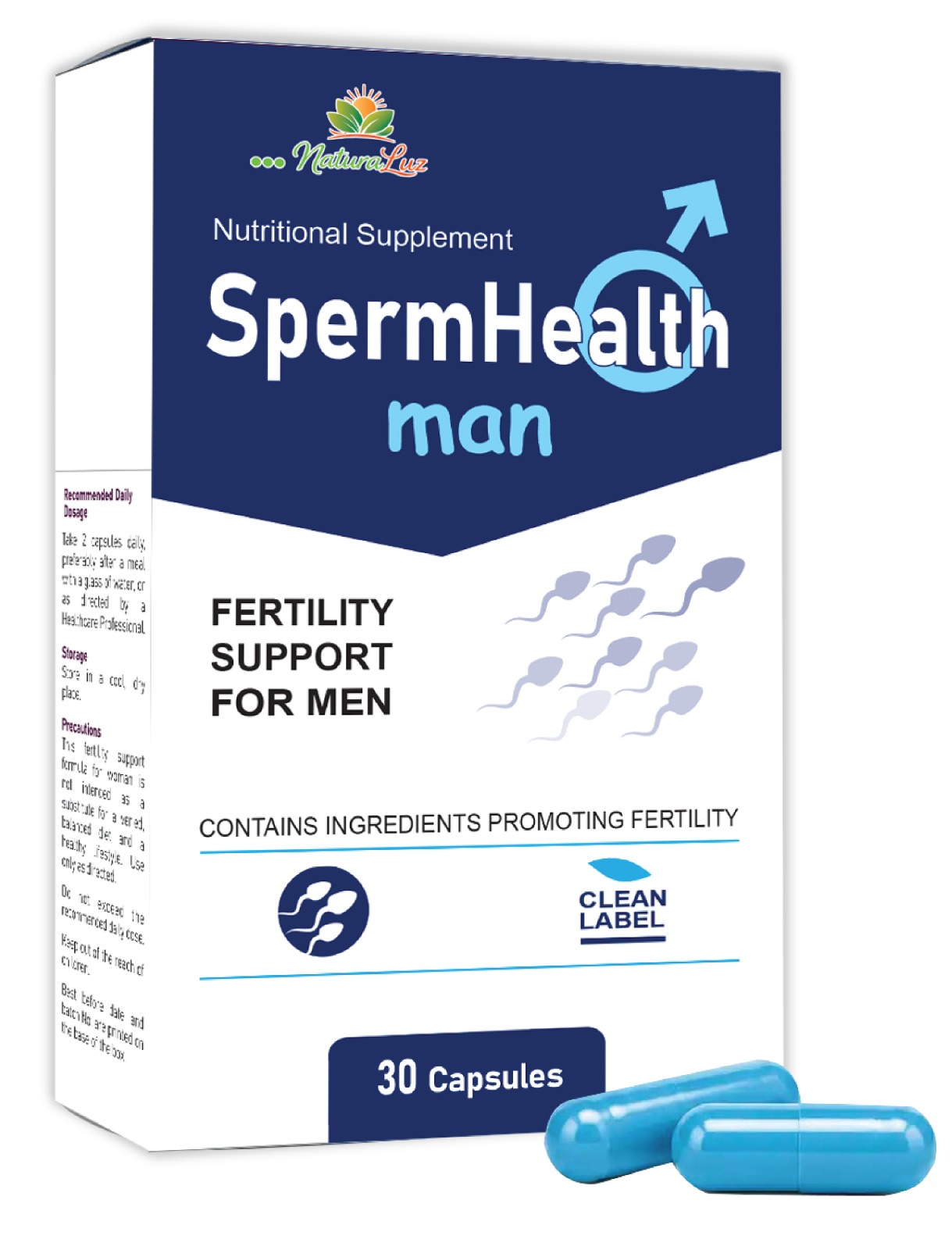
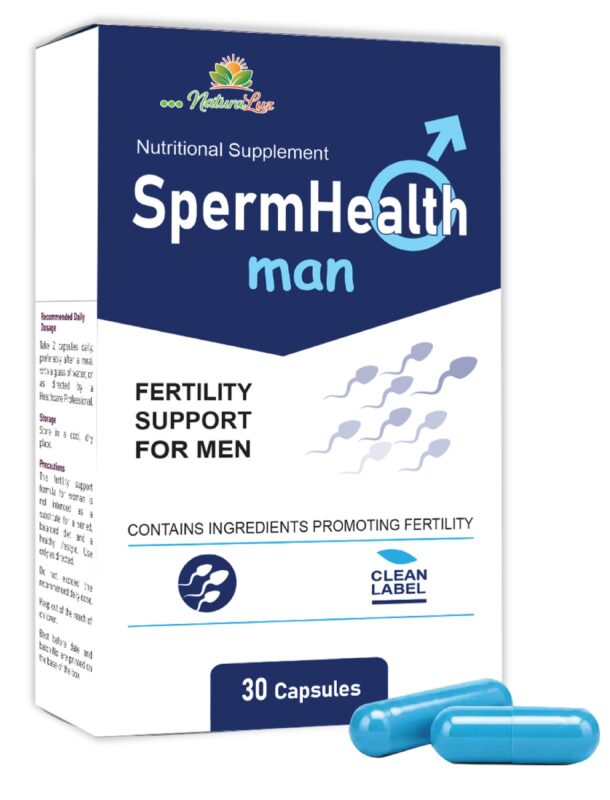
About SpermHealth Men

Nutrients play an important role in the development of the egg, womb and the hormonal system. Many of these processes use nutrients. A healthy lifestyle, a balanced diet and taking enough exercise are important when trying for a baby. It can be difficult to get all the nutrients you need from your diet in today’s busy world. This is where Proceive® Women may help by providing the extra support needed to support good pre-conception health.

PregHealth Woman +

Fertility Support for Woman

AVERAGE VALUES (per capsule)

Compare Female Conception Formulas

PregHealth Fertility Women

PregHealth Fertility Women

Standard Conception Supplement

Pygeum Africanum
100.0 mg
-
-
Zinc Sulfate
20.0 mg
-
-
Pyridoxine
1.0 mg
-
-
Folic Acid
100.0 µg
-
-
Ascorbic Acid
30.0 mg
-
-
Cyanocobalamin
0.5 µg
-
-
Fructose
104.0 mg
-
-
Sodium Selenite
0.02 mg
-
-
Arginine
50.0 mg
-
-
Carnitine
40.0 mg
-
-
Vitamin E
5.0 mg
-
-
Excipients (Microcrystalline Cellulose)
100.0 mg
-
-

The Difference Between Women's Formulas

We are often asked “What’s the difference between PregHealth Women and PregHealth Max Women?

To find out more and understand which product is best for you, click below.