
Erectile Dysfunction (ED)
Reclaim Your Intimacy
Sexual dysfunction can be any problem that prevents a person or couple from experiencing satisfaction from sexual activity. Up to 43% of females and 31% of males report some degree of sexual dysfunction.
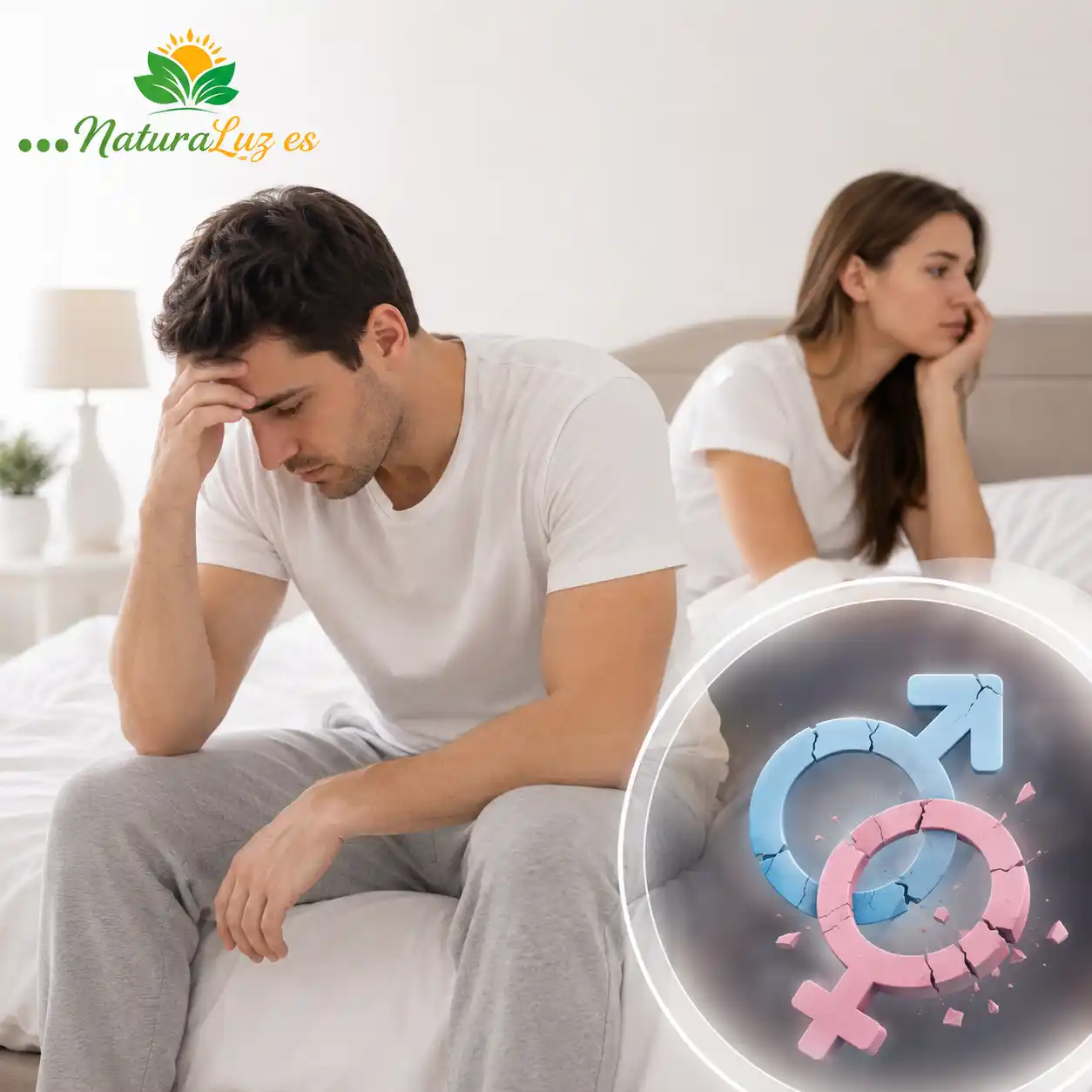
What is sexual dysfunction?
Sexual dysfunction is anything that prevents you from feeling pleasure from sexual activity. Being unable to enjoy or not wanting to engage in sexual activities may be a sign of sexual dysfunction. It’s very common and highly treatable. Things like stress, health conditions, medication or past sexual trauma can cause it.
Sexual dysfunction can happen at any point during the sexual response cycle. The sexual response cycle is a four-stage model of a person’s response to sexual stimulation. It includes:
Excitement: This phase includes desiring sex and becoming aroused. It includes much of the sexual activity before intercourse such as foreplay, a penis becoming erect or a clitoris swelling.
Plateau: This is the phase just before orgasm. Heart rate, muscle tension and breathing intensify. A penis may discharge pre-ejaculate (pre-cum).
Orgasm: A sudden release of sexual tension and pleasure in your genitals. Ejaculation occurs during orgasm.
Resolution: The calming down period just after orgasm. Your body relaxes and your genitals return to their normal state.
While research suggests that sexual dysfunction is common, many people don’t like talking about it. Because treatment options are available, though, you should share your concerns with your partner(s) and healthcare provider.
What are examples of sexual dysfunction?
Healthcare providers classify sexual dysfunction into four categories or types:
Desire disorders: Lack of sexual desire or interest in sex. This may mean you have no interest in any type of sexual activity.
Psychological causes of sexual dysfunction
Your emotions and feelings can also play a role in sexual dysfunction. These could include:
- Stress or anxiety.
- Marital or relationship problems.
- Depression.
- Poor body image.
- History of sexual trauma or abuse.
- Depression or feelings of guilt.
- Concerns about your sexual performance.
What medications can cause sexual dysfunction?
Both over-the-counter (OTC) and prescription medications can have sexual side effects. Some medicines can affect your libido and others can affect your ability to become aroused or achieve orgasm.
Nonprescription medicines that cause sexual dysfunction
Some over-the-counter antihistamines and decongestants (common in treating colds or allergies) can ¬-cause erectile dysfunction or problems with ejaculation. These include medications like:
- Cetirizine (Zyrtec®).
- Loratadine (Claritin®).
- Diphenhydramine (Benadryl®).
- Antidepressants that cause sexual dysfunction
The following medications may cause low libido, an inability to become aroused and difficulty reaching orgasm:
Tricyclic antidepressants, including amitriptyline (Elavil®, Vanatrip®), doxepin (Sinequan®), imipramine (Tofranil-PM®) and nortriptyline (Aventil®), Pamelor®).
Monoamine oxidase inhibitors (MAOIs), including phenelzine (Nardil®) and tranylcypromine (Parnate®).
Antipsychotic medications, including thioridazine (Mellaril®), thiothixene (Navane®) and haloperidol (Haldol®).
Medication: When a medication is the cause of the dysfunction, a change in the medication may help. People with hormone deficiencies may benefit from hormone shots, pills or creams. For males, drugs, including sildenafil (Viagra®), tadalafil (Cialis®), vardenafil (Levitra®, Staxyn®) and avanafil (Stendra®) may help improve sexual function by assisting with getting an erection. For females, medications can help increase sexual desire or libido. They could include buspirone (BuSpar®), bupropion (Wellbutrin®), flibanserin (Addyi®) and bremelanotide (Vylseesi®). Hormone therapy can help if you’re experiencing low sexual desire due to menopause.
Mechanical aids: Aids such as vacuum devices and penile implants may help with erectile dysfunction (the inability to get or maintain an erection). There’s also a vacuum device for females. Dilators may help people who experience narrowing of their vaginas due to menopause. Devices like vibrators can be helpful to help improve sexual enjoyment and climax.
Sex therapy: Sex therapists can help people experiencing sexual problems that their primary care provider can’t address. Therapists are often good marital counselors, as well. For the couple who wants to begin enjoying their sexual relationship, it’s well worth the time and effort to work with a trained professional.
Behavioral treatments: These involve various techniques, including insights into harmful behaviors in the relationship or techniques such as self-stimulation for treatment of problems with arousal and/or orgasm.
Psychotherapy: Therapy with a trained counselor can help you address sexual trauma from the past, feelings of anxiety, fear, guilt and poor body image. All of these factors may affect sexual function.
Education and communication: Education about sex and sexual behaviors and responses may help you overcome anxieties about sexual function. Open dialogue with your partner(s) about your needs and concerns also helps overcome many barriers to a healthy sex life.
Does sexual dysfunction go away?
The success of treatment for sexual dysfunction depends on the underlying cause of the problem. The outlook is generally good, with most people returning to a healthy and pleasant sex life after treatment.
Prevention
Can I prevent sexual dysfunction?
No, you can’t prevent it. But you can take steps to reduce its impact on your life. The first step is to be aware of it and recognize when it’s time to seek help. It may feel frustrating and upsetting to accept help. But, in most cases, you did nothing to cause sexual dysfunction. Fortunately, most causes of sexual dysfunction are treatable.
Living With
When should I see my healthcare provider?
Arousal disorders: Inability to become physically aroused or excited during sexual activity. You may feel a desire for sex, but your body doesn’t respond. In people with a penis, this could mean you can’t get an erection.
Orgasm disorders: Delay or absence of orgasm (climax). You may feel desire and arousal but be unable to orgasm.
Pain disorders: Pain during intercourse makes you not want to have sex.
How common is sexual dysfunction?
Sexual dysfunction can affect anyone at any age, although it’s more common in people over 40. Sexual dysfunction affects between 30% and 40% of people at some point in their lives.
Symptoms and Causes
What are the symptoms of sexual dysfunction?
Some types of sexual dysfunction affect males more than females. Conversely, some types of sexual dysfunction affect females more than males.
In males:
- Inability to achieve or maintain an erection (hard penis) for intercourse (erectile dysfunction).
- Absent (anejaculation) or delayed ejaculation despite enough sexual stimulation.
- Inability to control the timing of ejaculation (premature ejaculation).
- Inability to control the timing of ejaculation (premature ejaculation).
What are the most common causes of sexual dysfunction?
There can be physical and psychological reasons for sexual dysfunction.
Physical causes of sexual dysfunction
Physical causes of sexual dysfunction could include:
- Chronic conditions such as kidney or liver failure.
- Diabetes
- Heart and vascular diseases.
- Neurological disorders like multiple sclerosis (MS) or nerve damage.
- Hormonal imbalances.
- Monoamine oxidase inhibitors (MAOIs), including phenelzine (Nardil®) and tranylcypromine (Parnate®).
- Antipsychotic medications, including thioridazine (Mellaril®), thiothixene (Navane®) and haloperidol (Haldol®).
- Anti-mania medications such as lithium carbonate (Eskalith®).
- Selective serotonin reuptake inhibitors (SSRIs) such as fluoxetine (Prozac®), sertraline (Zoloft®), and paroxetine (Paxil®).
- Antihypertensive medications (medications that treat high blood pressure) that cause sexual dysfunction
- The following medications for high blood pressure may cause erectile dysfunction:
- Diuretics.
- Alpha-blockers.
- Beta-blockers.
What are the complications of sexual dysfunction?
Your sexual health is an important part of your overall quality of life. Being dissatisfied with your sex life can leave you feeling lonely and frustrated. It can lead to intimacy problems with your sexual partner(s). It’s important to treat sexual dysfunction like you would any other health condition and seek treatment if it begins to bother you or cause problems in your daily life.
Diagnosis and Tests
How is sexual dysfunction diagnosed?
In most cases, you recognize something’s interfering with your enjoyment (or a partner’s enjoyment) of a sexual relationship. Your provider usually begins with a complete history of symptoms and a physical. They may order diagnostic tests to rule out medical problems that can contribute to the dysfunction. Typically, lab testing plays a very limited role in the diagnosis of sexual dysfunction.
An evaluation of attitudes about sex, as well as other possible contributing factors — relationship concerns, anxiety, sexual history, medications, alcohol or drug abuse, and more — helps your provider understand the underlying cause of the problem and recommend the right treatment.
- Management and Treatment
- How is sexual dysfunction treated?
Living With
When should I see my healthcare provider?
Contact your healthcare provider if you experience sexual dysfunction for three months or longer. If it begins interfering with your relationships or causing you and/or your partner(s) distress, it’s time to seek help. Your provider will ask for your medical history and a complete list of any medications and supplements you’re taking to get to the root cause.